
In 2025, more than 26,000 people across Australasia took part in play-based team experiences. Each one of those moments contributed to something bigger than a single event. Together, they moved us closer to our mission of one million people playing.
Throughout the year, teams came together to play, connect, problem-solve and build shared energy. Many also chose to link those experiences to purpose, supporting local communities through charity team building and extending the impact of play beyond their own organisations.
What this blog captures is the collective effect of those choices. The growth of play across workplaces. The generosity of teams who turned connection into contribution. And the ripple effects that occurs when play is designed intentionally and shared widely.
It is also a thank you. To the clients who trusted play. To the teams who showed up and participated fully. To the partners, charities and facilitators who helped bring these experiences to life. This movement only continues because people choose to be part of it.
The Impact
Since 2008, when we delivered our very first Bikes for Tykes program, teams have continued to choose experiences that allow them to give back while they play. Year after year, this has remained one of the most consistent elements of our work.
Last year, that commitment was unmistakable. 14,707 people participated in charity team building, turning moments of connection into tangible community outcomes. Teams built and donated 661 bikes, contributed $96,400 worth of LEGO, and generated more than $335,000 of in-kind donations for community organisations across New Zealand and Australia.
Those numbers reflect deliberate choice. Teams could have spent their time together in many different ways. Instead, they chose experiences that combined play with purpose, and connection with contribution.
Extending play beyond the workplace and into communities, schools and charities allows its impact to carry on well after the event itself, shaping how people think about connection, contribution and the role they play in the world around them.
of in kind donations
Bikes donated
of LEGO donated
people made an imapct
The most loved programs of 2025
Each year, certain experiences stand out not because they are new, but because teams keep choosing them. In 2025, these were the programs teams returned to most often, shared with colleagues, and talked about long after the day itself.
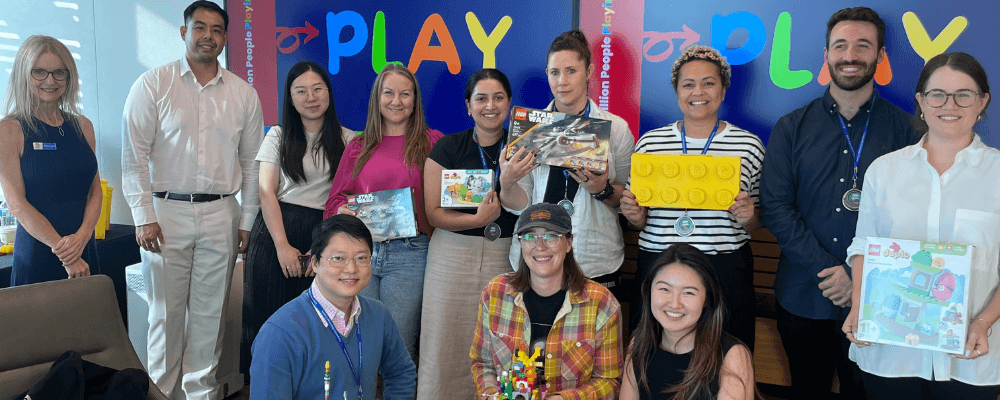
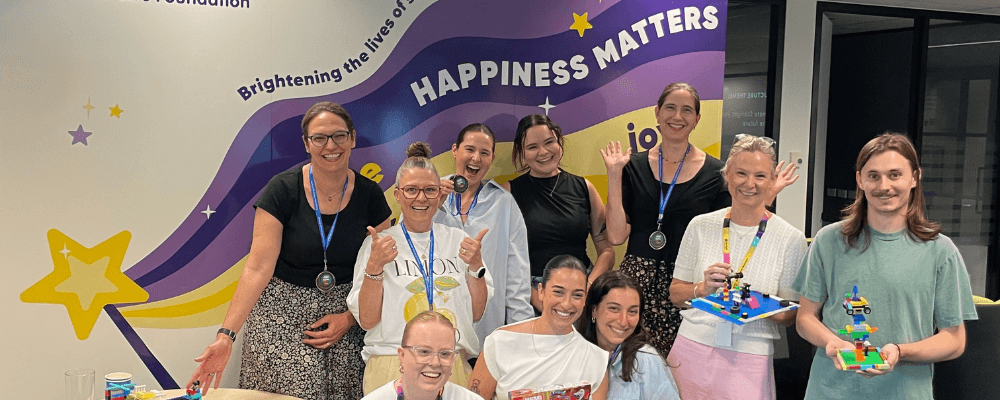
LEGO Legends
Taking the top spot last year, LEGO Legends was the most played team building experience of the year, with more than 6,500 people taking part across New Zealand and Australia. Teams were drawn to its playful familiarity and the way it made collaboration feel natural and accessible from the outset. Earning bricks through challenges, planning builds together and presenting a final master piece created shared focus and momentum, while the donation of LEGO sets to charity added a strong sense of purpose. Creative, inclusive and impact-driven, LEGO Legends became a clear favourite for teams looking to combine play with contribution.
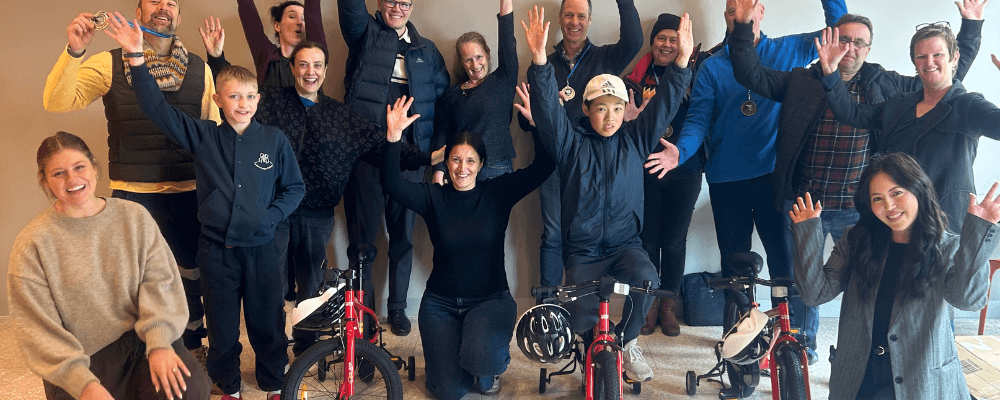
Bikes for Tykes
A long-standing favourite, Bikes for Tykes continued to resonate strongly. As a hands-on bike build charity team building experience, it brings teams together through playful challenges before shifting focus to building bikes that are donated directly into the community. Across the year, teams helped put $132,000 worth of bikes into circulation, supporting children and families through the generosity of socially responsible clients. The combination of teamwork, tangible outcomes and meaningful impact continues to make Bikes for Tykes one of the most consistently chosen programs on the calendar.
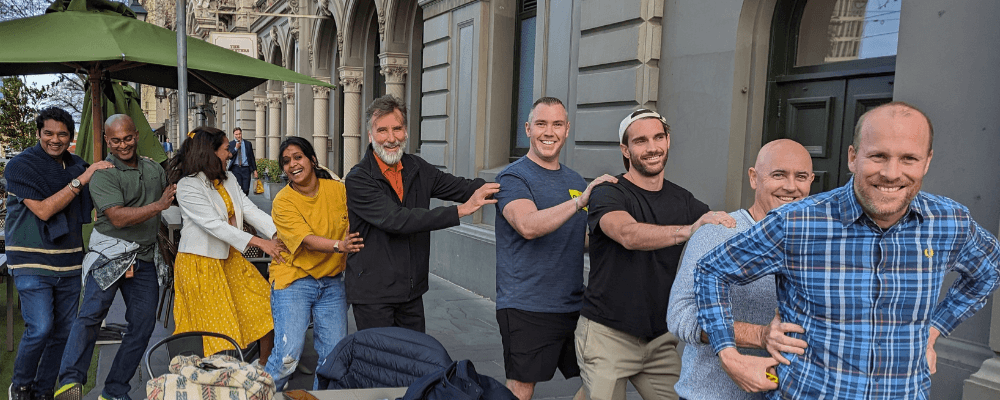
City Scramble
For teams keen to move, City Scramble continued to be one of the most loved experiences, valued for its flexibility and its ability to create connection through movement, exploration and shared problem solving. Delivered in a town, suburb, city, conference centre or even a shopping centre, the experience adapts to its environment while keeping teams firmly in a state of play. Teams navigated challenges, solved clues and made decisions together in real time. There is no single right way to approach the experience, which allows different strengths to surface naturally. Leadership rotates, voices are heard, and teams learn quickly how to adapt and support one another under gentle pressure. Movement and curiosity lower barriers, allowing connection to form without forcing interaction.
Minute to Win It
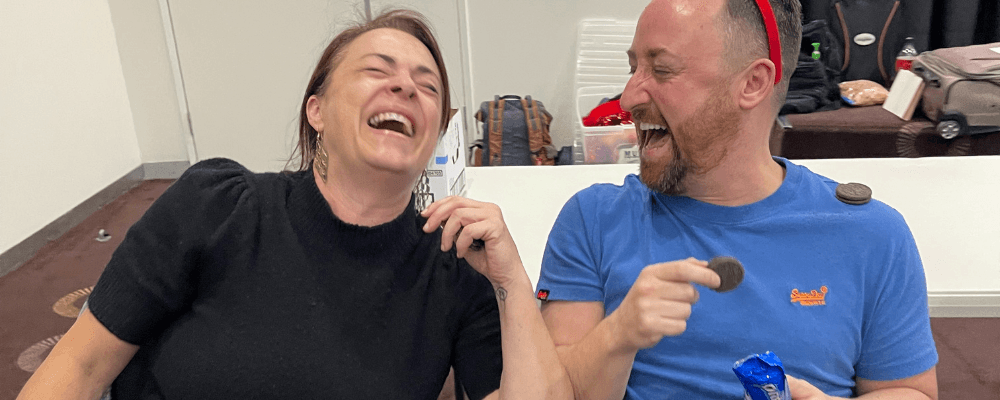
Short, sharp and full of energy, Minute to Win It proved once again that simple play can have a big impact. Whether delivered over lunch, dinner or as a standalone experience, teams loved the fast pace, inclusive challenges and shared moments of laughter that helped build instant momentum.
Play Offs
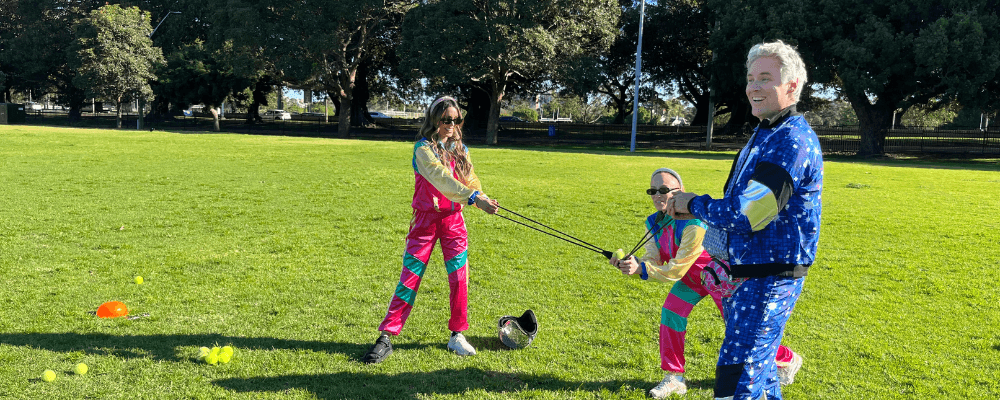
Rounding out the top five, Play Offs delivered classic, well-facilitated competition with a strong team focus. Rotating challenges, friendly rivalry and a lively atmosphere made it a reliable choice for teams looking to build energy, connection and collective momentum in a short space of time.
Before we move too far into 2026, we want to acknowledge the people who made the growth of play in 2025 possible.
Thank you to the teams who chose to participate fully, who showed up ready to engage, collaborate and try something different, and who brought curiosity, effort and openness into every experience. Your willingness to lean in is what turns play into connection and moments into something that lasts.
Thank you to the leaders who backed play alongside performance, who trusted that bringing people together through shared experience strengthens how teams work, communicate and move forward, and who made the decision to prioritise connection when it mattered.
Thank you to our venue partners, delivery teams and collaborators, whose support created the conditions for play to happen consistently and well, often behind the scenes but always felt in the room.
And thank you to our charity partners, who helped ensure that the energy created through play flowed directly into communities, schools and families, turning team experiences into meaningful contribution beyond the workplace.
The growth of this movement only happens because people choose to be part of it. In the last 12 months, thousands of teams, leaders and partners did, and that collective choice continues to carry forward into the year ahead.
As we move into a fresh year, the conversation around play continues to mature. What we see consistently across research and real-world delivery is that play, when designed with intent, influences how people relate to one another, how they communicate, and how they engage at work. These outcomes are not accidental. They reflect well-established principles in behavioural science and group dynamics, and patterns we have observed repeatedly across teams over time.
For some organisations, play is already part of how teams come together. For others, curiosity begins with a simple question. What is actually happening when teams play, and why does it so often change how people show up afterwards.
That question sits at the centre of our next Play Lab.
The Play Lab is a practical, evidence-informed live webinar designed for leaders and teams who want a clearer understanding of the role play can support in modern workplaces. It explores the research, the observable behavioural shifts, and the conditions required for play to feel credible, structured and useful.
Whether you are continuing to refine your approach or beginning to explore what play could look like for your team, we look forward to continuing the learning together.



Recent Comments